Tuesday, October 28, 2014
Wednesday, October 22, 2014
Basic Skills Survey - GA411 Assignment.
This website is very helpful. It not only helps determine your learning style, but a whole list of amazing things. You can find out which career would be best suited for you. Listed above is my Basic Skills assessment. I now know my strong and weak points. Very helpful website.
Thursday, October 16, 2014
"Technology through the Ages."
Technology: the study of the designed world. Used to solve practical problems and extend human capabilities. Developments in technology are evolutionary, and are often the result of a series of refinements to an idea or basic invention.

Impacts of Technology: are divided into four categories: social (the impact on people), political (the impact on policy and laws), cultural (the impact on human achievement), and economic (the impact on the economy).
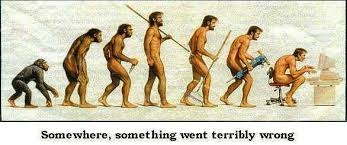
Paleolithic Age: the Old Stone Age, occurred between 500,000 BC and 10,000 BC and is marked by improvements to diet and security allowing the population to grow.
Mesolithic Age: the Middle Stone Age, occurred between 10,000 BC and 4,000 BC and is marked by the domestication of animals and agriculture.
Neolithic Age: the New Stone Age, occurred between 4,000 BC and 2,300 BC and is marked by specialization, division of labor, and the use of math and documentation of concepts.
Bronze Age: the architectural period that includes combining copper and tin to produce bronze; occurred between 2,300 BC and 700 BC.
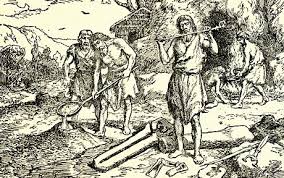
Iron Age: the architectural period marked by the use of iron and steel; occurred between 700 BC and 450 AD.
Middle Ages: the architectural period after the Roman Empire; divided into Early Middle Ages, High Middle Ages, and Late Middle Ages; occurred between 450 AD and 1,400 AD and marked by the development of tools of war.
Renaissance: the architectural period marked by the revival of classical influence and the sharing of ideas; occurred between 1,400 AD and 1,750 AD.
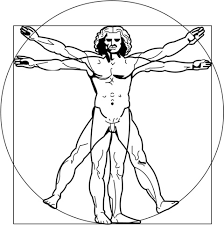
Industrial Age: the architectural period marked by the first use of complex machinery, factories and urbanization, occurring between 1,750 AD and 1,950 AD.

Information Age: the architectural period marked by information sharing, gathering, manipulation, and retrieval; occurred between 1,950 AD and present
Impacts of Technology: are divided into four categories: social (the impact on people), political (the impact on policy and laws), cultural (the impact on human achievement), and economic (the impact on the economy).
Paleolithic Age: the Old Stone Age, occurred between 500,000 BC and 10,000 BC and is marked by improvements to diet and security allowing the population to grow.
Mesolithic Age: the Middle Stone Age, occurred between 10,000 BC and 4,000 BC and is marked by the domestication of animals and agriculture.
Neolithic Age: the New Stone Age, occurred between 4,000 BC and 2,300 BC and is marked by specialization, division of labor, and the use of math and documentation of concepts.
Bronze Age: the architectural period that includes combining copper and tin to produce bronze; occurred between 2,300 BC and 700 BC.
Iron Age: the architectural period marked by the use of iron and steel; occurred between 700 BC and 450 AD.
Middle Ages: the architectural period after the Roman Empire; divided into Early Middle Ages, High Middle Ages, and Late Middle Ages; occurred between 450 AD and 1,400 AD and marked by the development of tools of war.
Renaissance: the architectural period marked by the revival of classical influence and the sharing of ideas; occurred between 1,400 AD and 1,750 AD.
Industrial Age: the architectural period marked by the first use of complex machinery, factories and urbanization, occurring between 1,750 AD and 1,950 AD.
Information Age: the architectural period marked by information sharing, gathering, manipulation, and retrieval; occurred between 1,950 AD and present
Wednesday, September 3, 2014
Friday, August 15, 2014
Actually Pretty Accurate Guys! :)
What kind of engineer should you be?
The Engineering Personality Quiz
You are highly perceptive, and know what people think of you. Your work has a lot of meaning to yourself and others. You have a good eye for aesthetics.
You might make a good
Civil Engineer
Civil engineers design and manage construction of large projects like roads, airports, bridges, dams, and buildings.
Other scores:
Civil: 53%
Electrical: 46%
Materials: 46%
Computer: 23%
Environmental: 15%
Chemical: 15%
Mechanical: 15%
Aerospace: 15%
Industrial: 15%
Subscribe to:
Posts (Atom)